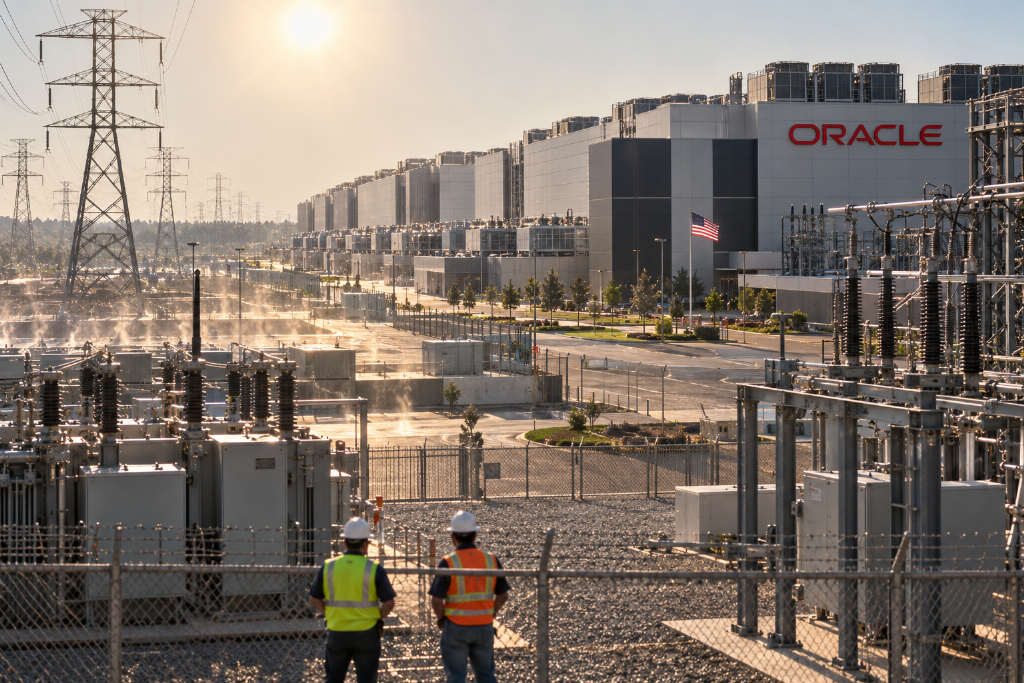
Morgan Stanle2026-10-07 08:52:20Morgan Stanley says U.S. data centers could face a 32 GW power shortfall by 2028Morgan Stanley said in a new report that U.S. data centers are likely to face a net power shortfall of about 34% from 2026 to 2028, equivalent to 32 GW. The bank said the key constraint for the sector may shift from chip shortages to electricity shortages, with the pressure likely to hit the tail end of the supply chain first, including ASICs, memory, optical modules, power management and analog chips. It added that Nvidia and Broadcom are not expected to see a material change to their 2027 earnings forecasts because they have better visibility into final deployment locations and broader global exposure beyond the U.S. market. By contrast, ASICs are more sensitive to power access, while memory, optics and power-management products are more exposed to delays in data center projects, including deferred orders, cancellations and inventory adjustments. Morgan Stanley pointed to Oracle’s 1.3 GW Project Lighthouse in Wisconsin as a real-world example of the risk, saying full-power delivery could slip to October 2028 at the earliest and to spring 2029 in a more pessimistic case.290
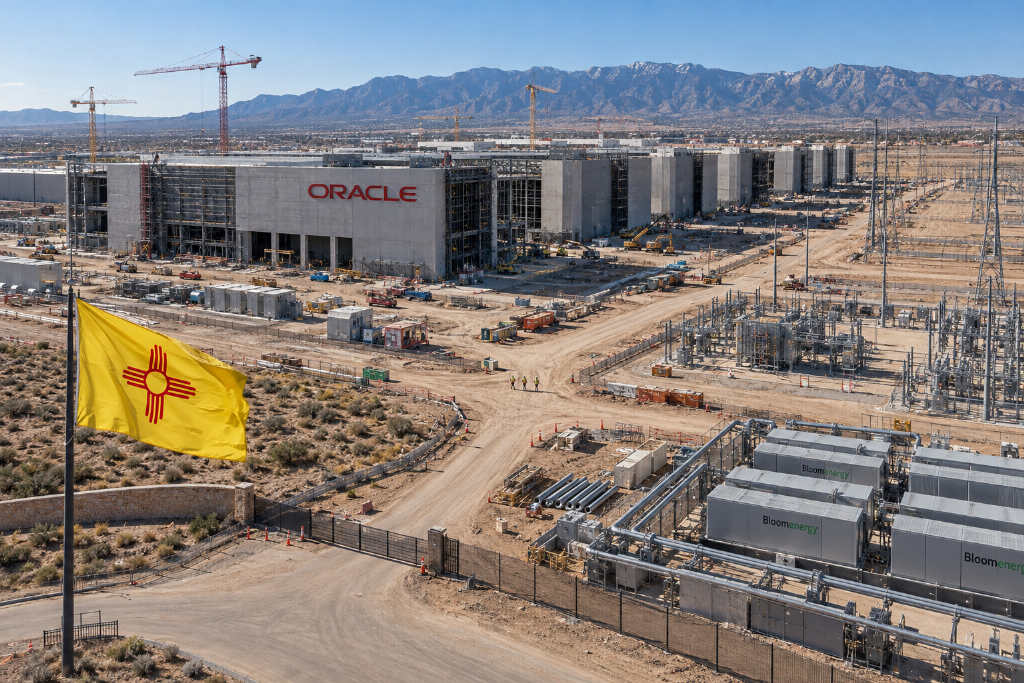
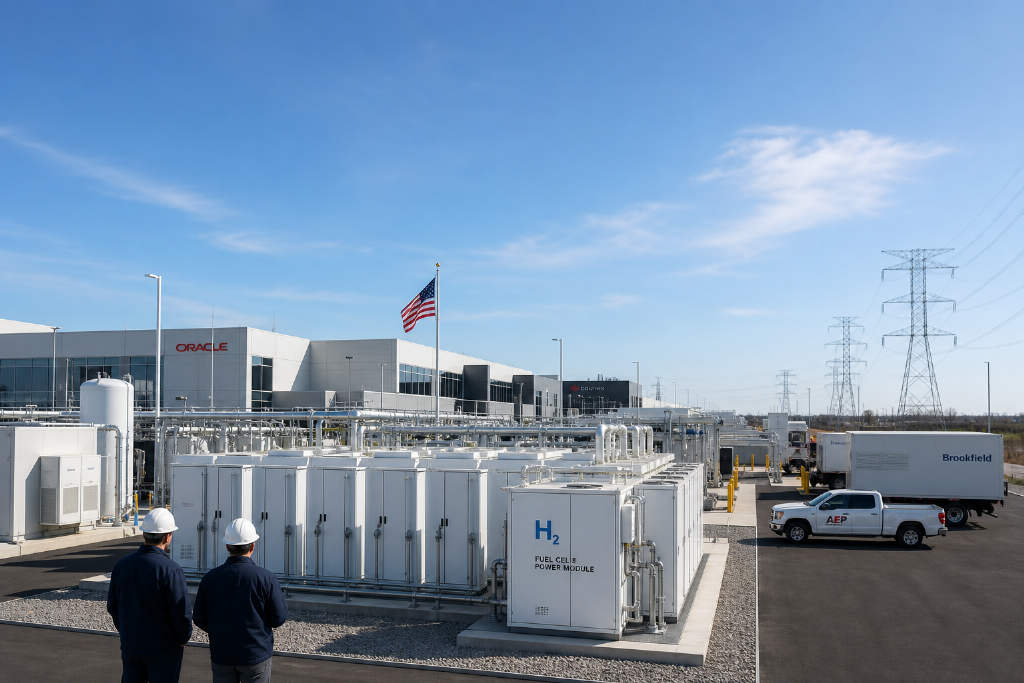
Oracle2026-09-28 01:46:50Oracle invokes force majeure clause for New Mexico AI data center as $18 billion debt slips below parOracle has sent a force majeure notice to the developer of Project Jupiter, an AI data center in New Mexico tied to the Stargate project. The site is expected to be leased by Oracle once completed, with computing capacity then supplied to OpenAI. Oracle has not exited the project, but it is using contractual delay protections while a key bottleneck remains unresolved: power. The campus is planned to run on as much as 2.45GW of Bloom Energy fuel cells, yet the related natural gas pipeline and air-quality permits have not been fully secured. Project Jupiter had been scheduled to begin operations in 2028. If those approvals continue to lag, the data center could miss its construction or power-delivery timeline. Under the contract, if the delay is deemed a force majeure event, Oracle can push back the start of full rent payments by as much as three years. That does not eliminate its obligations. During the delay period, Oracle would still pay a lower development-stage rent and cover part of the debt interest and investment return. Investors have already reacted: roughly $18 billion of debt tied to Project Jupiter recently traded at 89 to 91 cents on the dollar, while shares of Oracle and Blue Owl both fell on the day the news emerged. Oracle still says the project remains on schedule.1100
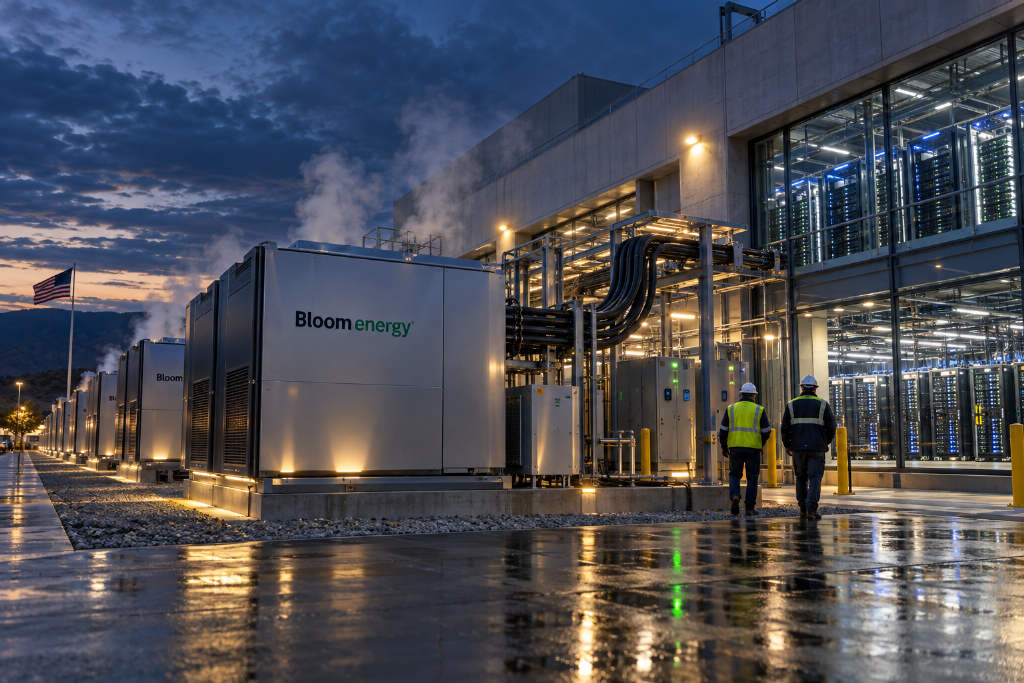
Bloom Energy2026-09-20 17:13:07Bloom Energy unveils 800V DC fuel cell architecture for AI data centersBloom Energy has introduced an 800V native DC fuel cell power architecture built for AI data centers, according to a Techub News brief citing Crypto Briefing. The company’s design is aimed at cutting operating costs for AI-focused data center facilities while improving sustainability. The report also said the new architecture could influence the direction of future infrastructure development. No additional technical specifications, deployment timeline, or customer details were disclosed in the source brief. The update centers on power delivery for AI data centers, an area drawing growing attention as operators look for ways to support higher computing demand with more efficient and sustainable energy systems.360
Leopold Asche2026-09-11 20:49:42Aschenbrenner’s hedge fund buys call options on AI-linked stocks againLeopold Aschenbrenner, a former OpenAI researcher, has again bought call options on AI-related companies through his hedge fund, Situational Awareness, according to Techub News, citing BeInCrypto. The positions include AMD, Bloom Energy, CoreWeave and SK Hynix. The move comes after the fund suffered a sharp drawdown in July this year, when a leveraged bet on AI stocks cut its assets from a peak of more than $45 billion to about $10 billion. This time, the report said, the return to call options caps downside at the premium paid for the contracts. Aschenbrenner is known for a 2024 essay that argued AI could reach human-level intelligence by 2027. His portfolio has been built around companies tied to AI computing capacity and power supply. On Friday, the stocks named in the report traded in different directions: Bloom Energy rose nearly 7%, AMD gained nearly 3%, while SanDisk and CoreWeave fell. It remains unclear whether the new options purchases were funded with remaining cash or newly raised capital.1090
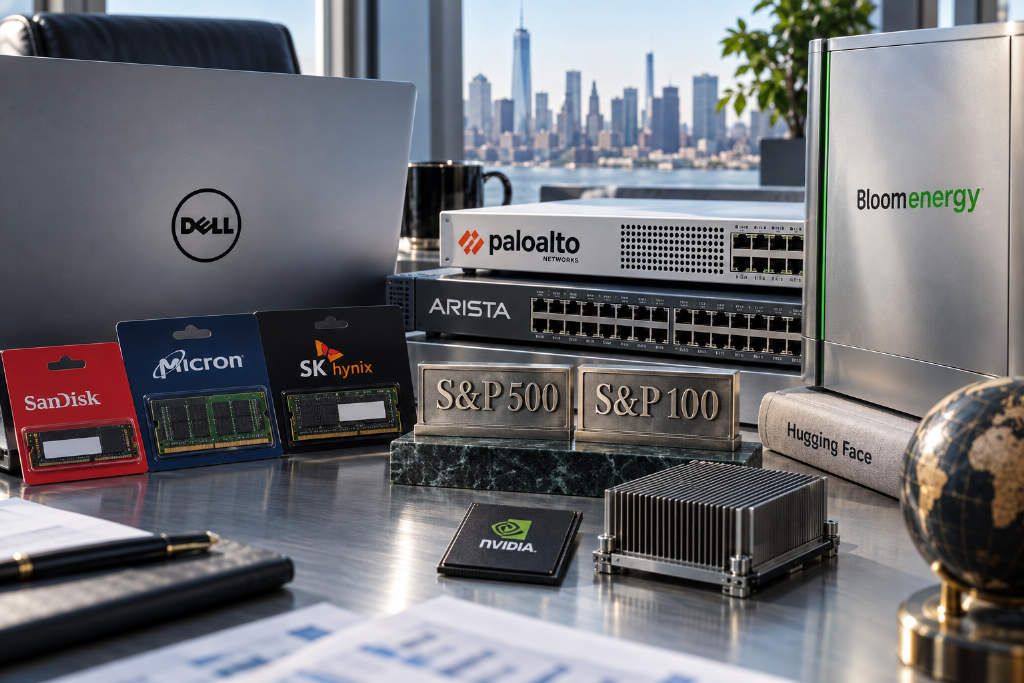
AI2026-09-08 12:30:00Storage chip rally and S&P reshuffle put Bloom Energy, Dell and SanDisk in focusU.S. stocks tied to memory, AI hardware and related infrastructure moved sharply higher in late trading Friday, with SanDisk jumping 11.9%, SK Hynix rising more than 8%, and Micron Technology gaining more than 6%. After the close, S&P Dow Jones Indices announced its quarterly index changes, adding Bloom Energy, Illumina and Everpure to the S&P 500, while Dell, Palo Alto Networks, Arista Networks and SanDisk were added to the S&P 100. The moves came as the market digested Nvidia’s confirmed plan to acquire AI development platform Hugging Face for about $12.9 billion, a deal the article frames as a push beyond compute and into the full AI development and deployment workflow. That shift has renewed attention on memory and storage suppliers, as AI model training and deployment require both GPUs and large amounts of high-bandwidth and flash memory. The report also highlights Bloom Energy’s latest quarter, in which revenue reached $1.07 billion, up 166% year over year, and adjusted EBITDA came in at $253.4 million, well above Wall Street expectations of $149.4 million. Against that backdrop, the article reviews the latest S&P index additions and breaks down several names investors are tracking across AI cybersecurity, data center networking, power infrastructure, storage and AI servers.1420
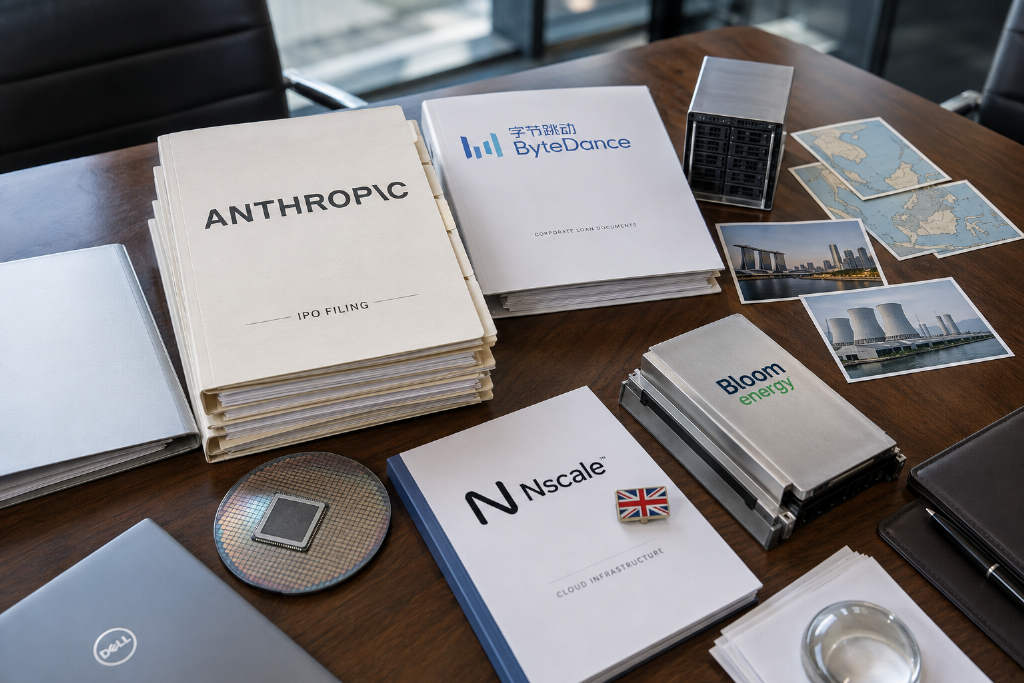
Anthropic2026-09-05 11:52:25Anthropic weighs a $2 trillion IPO as ByteDance secures roughly $30 billion loanWhiteLine Daily, published by WuBlockchain, highlighted a cluster of major financing and capital-markets developments tied to the AI sector. The report said Anthropic, developer of Claude, is nearing a decision on Morgan Stanley and Goldman Sachs as lead underwriters for an initial public offering and could publicly file as soon as next week. The company’s discussed valuation is about $2 trillion, while the Financial Times said its annualized revenue in July was about $65 billion, below some investors’ prior expectation of around $80 billion. The same digest said ByteDance has obtained roughly $30 billion in financing, with Reuters putting the size at $29.6 billion from nearly 30 banks. The loan is unsecured, carries a three-year term with a possible two-year extension, and more than 60% of the facility was contributed by Bank of China. People familiar with the matter said the funds are mainly expected to support AI spending, including chip purchases and data-center construction in Southeast Asia. Elsewhere, Bloomberg reported that UK-based AI cloud infrastructure firm Nscale is seeking up to $3.5 billion in pre-IPO financing, including as much as $1.5 billion in convertible debt and a potential roughly $2 billion investment from Nvidia. WhiteLine Daily also noted that Bloom Energy will join the S&P 500, while Dell Technologies, Palo Alto Networks, Arista Networks and Sandisk are being added to the S&P 100.1160
Rystad Energy2026-09-01 00:27:04Rystad sees data centers driving a tenfold jump in fuel cell revenue by 2030Rystad Energy says data center developers are turning to on-site fuel cells as grid congestion stretches interconnection timelines in the United States. The research firm estimates fuel cell market revenue will rise from about $2.8 billion in 2025 to roughly $30 billion by 2030, a tenfold increase. Signed orders already total around 9 gigawatts, including framework agreements involving Oracle, American Electric Power, Equinix, and Brookfield. Rystad also projects cumulative fuel cell demand from data centers at 10.4 gigawatts between 2026 and 2030. By 2030, about 40% of U.S. data center capacity could use on-site generation, according to the report. North America is expected to account for 91% of global installed on-site generation capacity. On the supply side, combined manufacturer capacity could reach 4 gigawatts per year by 2030, up from 1.8 gigawatts now. The firm added that solid oxide fuel cells represent about 53% of cumulative stationary deliveries, while Bloom Energy holds nearly all major-load contracts in visible orders.950
Nancy Pelosi2026-08-25 19:46:03Bloom Energy Jumps After Pelosi Disclosure Reveals Multimillion-Dollar Household PositionBloom Energy shares rose more than 6% in premarket trading Tuesday after a financial disclosure tied to Representative Nancy Pelosi revealed a multimillion-dollar household investment in the fuel-cell company. The filing showed that 15,000 shares and 200 call options were purchased on July 24 and July 28 through accounts belonging to Pelosi’s husband, Paul Pelosi, according to Barron’s. The options carry a $100 strike price and expire in June 2027, while the reported value of the transactions fell within a disclosure range of $3 million to $12 million. The trades were not disclosed until August 21, weeks after they were made and shortly after Bloom reported record second-quarter revenue above $1 billion on July 28. Shares had climbed 26.5% by July 30, and the position has gained 26% since purchase, according to the report. The filing has renewed scrutiny around Pelosi family stock trades, an issue that has drawn criticism for years. Pelosi has denied insider-trading allegations, and her office told Barron’s that she does not own any stocks and has no knowledge of or involvement in the transactions.1030